

Can Blowing Your Nose When Sick Improve Sinus Health and Prevent Infections?
Blowing your nose when you’re sick can help clear mucus from the sinuses, reducing congestion and potentially preventing further infections. However, it’s important to do so gently to avoid damaging the sinuses or causing more pressure. Dr. Neetu Singh, MD, recommends proper nasal hygiene and techniques to promote sinus health during illness and reduce the risk of complications. For more information, contact us or book an appointment online. We are conveniently located at 1642 N. Volusia Ave, Orange City, FL 32763.
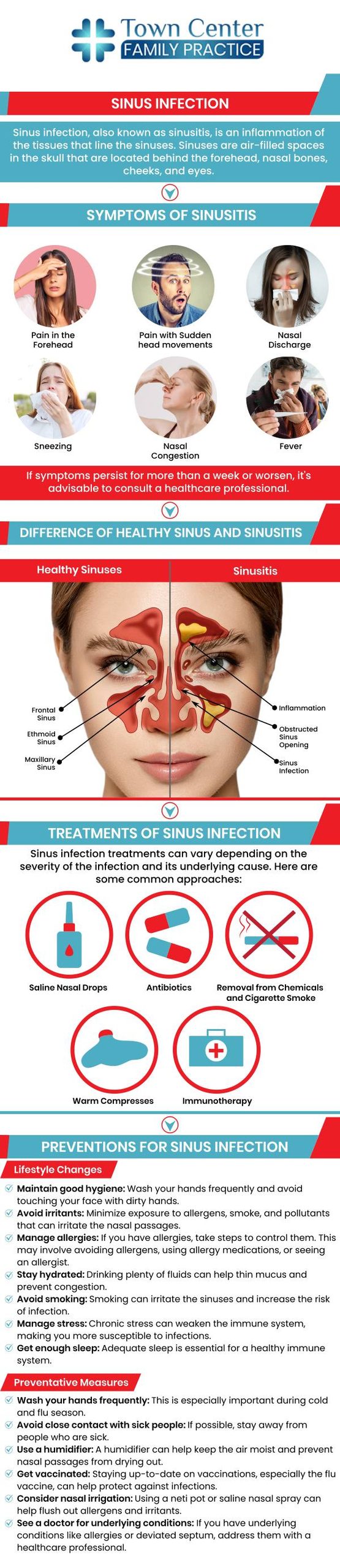
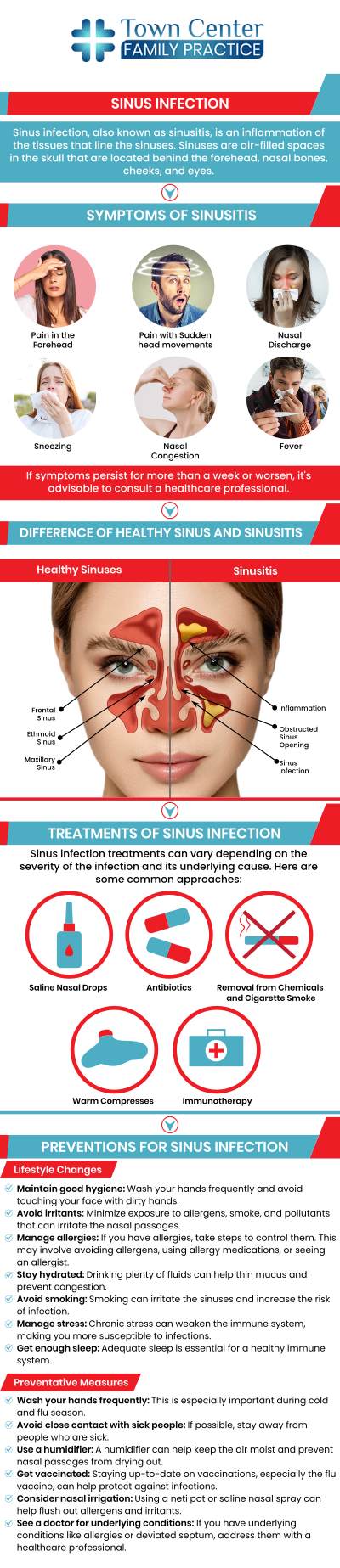
Table of Contents:
What are the common causes of sinus congestion, and how can it be treated?
Can blowing your nose reduce the risk of sinus infections during a cold?
Is it beneficial to blow your nose frequently when you have a stuffy nose?
How does a sinus infection differ from a common cold in terms of symptoms and treatment?
Dr. Neetu Singh, MD Explains the Benefits of Blowing Your Nose for Sinus Health During Illness at Town Center Family Practice
Sinus congestion, often described as a feeling of stuffiness or pressure in the face and head, occurs when the tissues lining the sinuses become swollen or inflamed. This can result from a variety of causes, including viral infections like the common cold, allergies to substances such as pollen, dust mites, or pet dander, and sometimes bacterial infections that may develop following a viral illness. Environmental irritants such as smoke or pollution, structural issues within the nasal passages (like a deviated septum), and certain medical conditions like nasal polyps can also contribute to sinus congestion.
Our experienced care team at Town Center Family Practice is equipped to diagnose the underlying cause of your sinus congestion and recommend the most effective treatment. For mild congestion, we may suggest home remedies such as using a humidifier, inhaling steam, staying hydrated, or applying warm compresses to the face. We can also advise on appropriate over-the-counter medications, oral decongestants, or saline nasal rinses to help clear your nasal passages. If your symptoms persist beyond ten days, are severe, or are accompanied by a high fever or changes in vision, it’s important to schedule an appointment with us. We’ll conduct a thorough evaluation to determine whether a prescription medication, such as antibiotics for a bacterial infection, or a referral to a specialist (such as an ear, nose, and throat doctor) is needed. For patients with chronic or severe sinus congestion, especially those related to structural issues, we can facilitate referrals for further evaluation and management.
Blowing your nose is a common way to cope with congestion during a cold. While this can provide some short-term relief, it’s important to understand that nose blowing alone does not reduce your risk of developing a sinus infection.
Sinus infections, or sinusitis, may occur when viruses or bacteria cause inflammation and swelling in the sinus cavities—often after you’ve had a cold. While gentle nose blowing may help clear some mucus, it doesn’t remove the germs that cause infection. In fact, research shows that blowing your nose too forcefully can sometimes push mucus deeper into the sinuses, potentially increasing your risk of developing a sinus infection.
At Town Center Family Practice, we recommend the following to protect your sinus health during a cold:
• Practice good hygiene: Wash your hands frequently and avoid touching your face.
• Stay hydrated: Drink plenty of fluids to keep mucus thin and easier to clear.
• Use a humidifier: Adding moisture to the air can soothe your nasal passages.
• Try saline nasal sprays: These can help keep your nasal passages moist and support natural mucus flow.
Blowing your nose with excessive pressure can actually force mucus back into your sinuses, potentially increasing your risk for sinus infections or prolonging your congestion.
For safer relief, our medical team recommends gentle nose blowing—one nostril at a time—and exploring other methods to ease congestion. Saline nasal sprays, humidifiers, and inhaling steam are all effective ways to soothe inflamed nasal passages and reduce stuffiness without the risks associated with frequent, forceful nose blowing.
If your nasal congestion lasts more than a week or is accompanied by severe symptoms, the team at Town Center Family Practice is here to help.
At Town Center Family Practice, we often see patients who are unsure whether their symptoms are due to a common cold or a sinus infection (sinusitis). While both are respiratory conditions and often share similar symptoms, there are important differences in how they present and how they should be treated.
Symptoms: What to Look For
A common cold typically causes a runny or stuffy nose, sneezing, mild headache, sore throat, and a general feeling of being unwell. These symptoms are usually mild and improve within a week to ten days. Fever is uncommon in adults but may occur in children.
Sinus infections, on the other hand, may develop after a cold or appear on their own. You might experience similar nasal symptoms, but sinusitis more commonly causes facial pain or pressure—especially around the eyes, cheeks, or forehead. Other possible symptoms include thick yellow or green nasal discharge, pain in the upper teeth, a reduced sense of smell, persistent cough, and sometimes fever. Sinus infection symptoms often last longer than a cold (more than ten days) and may worsen after an initial improvement.
When to Seek Care at Town Center Family Practice
If your symptoms persist for more than ten days, worsen after starting to improve, or include severe facial pain or a high fever, it’s important to consult a healthcare professional. Our providers can help determine whether your sinus infection is viral or bacterial and recommend the most appropriate treatment.
Treatment Approaches
For most common colds, rest, fluids, and over-the-counter remedies for congestion or sore throat are recommended—antibiotics are not effective against cold viruses.
Sinus infections may also be viral and managed with similar supportive care. However, if your symptoms do not improve or become severe, you may need additional treatment.
At Town Center Family Practice, our team is dedicated to helping families stay healthy and comfortable through every season. Dr. Neetu Singh, MD, our experienced family physician, often sees patients struggling with sinus congestion, especially during cold and allergy seasons. She emphasizes that something as simple as blowing your nose correctly can make a big difference in how you feel and recover.
Dr. Singh explains that during a cold or sinus infection, mucus builds up in the nasal passages, trapping viruses, bacteria, and irritants. Gently blowing your nose helps remove this mucus, easing pressure and making it easier to breathe. She advises patients to blow one nostril at a time to avoid putting too much pressure on the ears, which can help prevent secondary issues such as ear infections or sinusitis.
The providers at Town Center Family Practice recommend combining gentle nose blowing with other supportive measures, like staying well-hydrated and using saline nasal sprays, to encourage proper sinus drainage. Dr. Singh cautions against blowing your nose too hard or too often, as this can cause irritation or even minor nosebleeds. If congestion persists or you’re concerned about your symptoms, our team is here to evaluate for underlying conditions and provide the right treatment.
At Town Center Family Practice, we believe that simple, everyday habits—like proper nose blowing—can play a key role in managing sinus health and supporting your recovery. For more information, contact us or book an appointment online. We are conveniently located at 1642 N. Volusia Ave, Orange City, FL 32763. We serve patients from Orange City FL, DeLand FL, Deltona FL, DeBary FL, Lake Monroe FL, Sanford FL, and surrounding areas.
Check Out Our 5 Star Reviews


Additional Services You May Need
▸Primary Care
▸Pediatric Care
▸Wellness
▸Family Services
▸Asthma
▸Sports Physicals
▸Respiratory Illnesses
▸EKG’s
▸Chronic Care Management
▸Physical Examinations
▸Pregnancy Testing
▸Prostate Cancer Screening
▸Women’s Wellness Examinations
▸Geriatric Physicals
▸Cardiac Risk Assessment
▸School Physicals
▸Diabetic & Lipid Management
▸Immunizations
▸Pediatric Annual Physical Exam
▸Same Day Sick Visits
▸Telehealth
▸Direct Primary Care
▸Asthma (Acute episodes)
▸Asthma (Long-term management)

Additional Services You May Need
▸Primary Care
▸Pediatric Care
▸Wellness
▸Family Services
▸Asthma
▸Sports Physicals
▸Respiratory Illnesses
▸EKG’s
▸Chronic Care Management
▸Physical Examinations
▸Pregnancy Testing
▸Women’s Wellness Examinations
▸Geriatric Physicals
▸Cardiac Risk Assessment
▸School Physicals
▸Diabetic & Lipid Management
▸Immunizations
▸Pediatric Annual Physical Exam
▸Same Day Sick Visits
▸Telehealth
▸Direct Primary Care
▸Asthma (Acute episodes)
▸Asthma (Long-term management)


 Send Text
 How May I Help You?