

Everything You Need to Know About Lower Abdominal Pain
Lower abdominal pain can manifest in various ways, from sharp localized cramping and bloating to fever or changes in bowel habits. Because the pelvic region houses several major systems, Dr. Neetu Singh focuses on a holistic diagnostic approach to determine if the pain is gastrointestinal, urinary, or reproductive in nature. For more information, contact us or book an appointment online. We are conveniently located at 1642 N. Volusia Ave, Orange City, FL 32763.
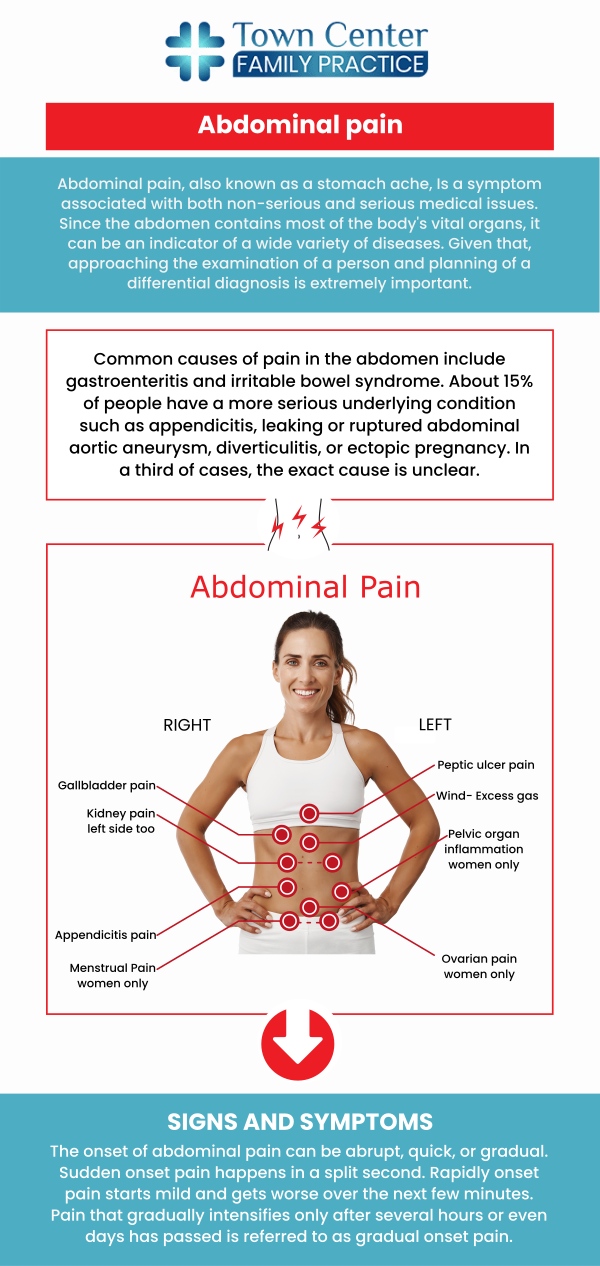
Table of Contents:
How do different types of lower abdominal pain (sharp, crampy, dull) indicate different causes?
How does lower abdominal pain affect daily activities?
What is the connection between lower abdominal pain and constipation?
How is lower abdominal pain treated differently based on its underlying cause?
Lower Abdominal Pain: Symptoms, Causes, and Treatment Options with Dr. Neetu Singh, MD, at Town Center Family Practice
At Town Center Family Practice, we know that lower abdominal pain can be concerning and disruptive to daily life. The type of pain you experience—whether sharp, crampy, or dull—can provide valuable clues about its underlying cause, and our experienced medical team is here to help you find answers and relief.
Sharp Lower Abdominal Pain:
If you’re experiencing sudden, severe, or sharp pain in your lower abdomen, it may signal a serious medical condition. Causes can include appendicitis, ovarian torsion, kidney stones, or a ruptured ovarian cyst. These conditions often require urgent care. If your pain is intense, persistent, or accompanied by symptoms like fever, vomiting, or fainting, please contact Town Center Family Practice right away or seek emergency care.
Crampy Pain:
Crampy pain often feels like it comes in waves and is sometimes related to digestive or reproductive issues. For women, menstrual cramps are a common culprit, but conditions like irritable bowel syndrome (IBS), gastroenteritis, or even early bowel obstruction can also cause crampy sensations. If you notice that your pain changes with certain foods, activities, or positions, our providers can help assess your symptoms and recommend appropriate treatment.
Dull, Persistent Pain:
A dull ache or pressure in the lower abdomen may be less intense but should not be ignored. Chronic conditions such as urinary tract infections (UTIs), pelvic inflammatory disease (PID), chronic constipation, hernias, or endometriosis can all present with dull pain. If your discomfort has been ongoing, our medical team can help identify the cause and develop a personalized treatment plan.
When to See a Doctor Because many conditions can cause similar symptoms, it’s important not to self-diagnose. At Town Center Family Practice, we offer comprehensive evaluations for patients with lower abdominal pain—ensuring that you receive the right diagnosis and care as quickly as possible.
At Town Center Family Practice, we understand how lower abdominal pain can significantly impact your everyday life. This type of discomfort often limits mobility, making simple movements like bending, walking, or sitting for long periods more challenging. As a result, you may find it difficult to keep up with household chores, exercise routines, work responsibilities, or even caring for your loved ones.
Lower abdominal pain can also interfere with your ability to concentrate and focus, whether at work, school, or during daily activities. Many patients report that this pain disrupts their sleep, leading to fatigue and a general lack of energy during the day. Digestive symptoms such as bloating, nausea, or changes in bowel habits, which sometimes accompany lower abdominal pain, can further disrupt your routine and social life. You may even find yourself avoiding certain foods or drinks out of concern for worsening your symptoms, potentially affecting your nutrition and overall health.
We also recognize the emotional toll that persistent pain can have. Increased stress, irritability, and changes in mood are common, and these can strain relationships and reduce your overall quality of life. In more severe cases, patients may need to schedule frequent medical appointments or take time off from work or school, further impacting daily commitments.
At Town Center Family Practice, we often see patients experiencing lower abdominal pain and constipation—two symptoms that are frequently connected due to the way your digestive system works. When you are constipated, stool moves slowly through your colon, becoming hard and difficult to pass. This can stretch the colon and rectum, resulting in discomfort or cramping pain in the lower abdomen.
The pain typically occurs because the colon contracts more forcefully to move stool along. These contractions can cause aching or sharp pain, especially in the lower abdominal region. Additionally, gas can build up behind the stool, leading to bloating and even more discomfort. In some cases, constipation may also irritate the intestines, causing spasms that intensify the pain.
Common causes of constipation and abdominal pain include irritable bowel syndrome (IBS), certain medications, dehydration, and a diet low in fiber. It’s important to keep an eye on these symptoms—especially if pain is severe or persistent, as this could indicate a more serious condition such as a bowel obstruction or another underlying disease that requires prompt medical attention.
Lower abdominal pain is a common concern we address at Town Center Family Practice. Because this symptom can have many different causes, our team is dedicated to providing personalized care to identify the underlying issue and create an effective treatment plan for each patient.
Common Causes and Our Approach
For gastrointestinal conditions like irritable bowel syndrome or constipation, our providers may recommend dietary modifications, increased fiber intake, proper hydration, and, when needed, medications such as laxatives or antispasmodics. If an infection is suspected—such as a urinary tract infection—our team will perform appropriate urine tests and, if necessary, prescribe antibiotics targeted to the specific bacteria involved. For pelvic inflammatory disease, a combination of antibiotics may be needed to address multiple pathogens.
Gynecological conditions, including ovarian cysts or endometriosis, are also evaluated and managed at our practice. Treatment options can range from pain management and hormonal therapies to referrals for surgical evaluation when appropriate. For example, endometriosis might be managed with hormonal medications, while large or ruptured ovarian cysts may require surgical intervention.
Acute conditions such as appendicitis or hernias are quickly identified through thorough examination and, when necessary, imaging studies. If surgical intervention is required, such as an appendectomy or hernia repair, we coordinate prompt referrals to trusted surgical specialists. Similarly, for kidney stones, we provide pain management and guidance on hydration, and arrange for imaging and specialist care if surgical removal is indicated.
A Comprehensive, Patient-Centered Approach
At Town Center Family Practice, we know that every patient is unique. Our providers use a combination of detailed medical history, physical examination, laboratory testing, and imaging studies to arrive at an accurate diagnosis. We collaborate closely with local specialists when advanced care is needed, ensuring our patients receive seamless, comprehensive treatment.
At Town Center Family Practice, Dr. Neetu Singh and her team provide a compassionate, diagnostic-led approach to lower abdominal pain. Recognizing that discomfort can stem from gastrointestinal, urinary, or reproductive issues, our providers perform detailed evaluations that go beyond surface-level symptoms.
Utilizing on-site diagnostic tools such as urine analysis and coordination for advanced imaging like ultrasounds, we identify causes ranging from UTIs to complex gynecological conditions. Whether you require acute care through our same-day sick visits or long-term management for chronic pain, our Orange City clinic focuses on personalized treatment plans that prioritize your relief and long-term wellness.
If you are experiencing lower abdominal pain, don’t hesitate to contact Town Center Family Practice to schedule an evaluation. Your health and well-being are our top priorities. For more information, contact us or book an appointment online. We are conveniently located at 1642 N. Volusia Ave, Orange City, FL 32763. We serve patients from Orange City FL, DeLand FL, Deltona FL, DeBary FL, Lake Monroe FL, Sanford FL, and surrounding areas.
Check Out Our 5 Star Reviews


Additional Services You May Need
▸Primary Care
▸Pediatric Care
▸Wellness
▸Family Services
▸Asthma
▸Sports Physicals
▸Respiratory Illnesses
▸EKG’s
▸Chronic Care Management
▸Physical Examinations
▸Pregnancy Testing
▸Prostate Cancer Screening
▸Women’s Wellness Examinations
▸Geriatric Physicals
▸Cardiac Risk Assessment
▸School Physicals
▸Diabetic & Lipid Management
▸Immunizations
▸Pediatric Annual Physical Exam
▸Same Day Sick Visits
▸Telehealth
▸Direct Primary Care
▸Asthma (Acute episodes)
▸Asthma (Long-term management)

Additional Services You May Need
▸Primary Care
▸Pediatric Care
▸Wellness
▸Family Services
▸Asthma
▸Sports Physicals
▸Respiratory Illnesses
▸EKG’s
▸Chronic Care Management
▸Physical Examinations
▸Pregnancy Testing
▸Women’s Wellness Examinations
▸Geriatric Physicals
▸Cardiac Risk Assessment
▸School Physicals
▸Diabetic & Lipid Management
▸Immunizations
▸Pediatric Annual Physical Exam
▸Same Day Sick Visits
▸Telehealth
▸Direct Primary Care
▸Asthma (Acute episodes)
▸Asthma (Long-term management)


 Send Text
 How May I Help You?